5th Wheel Tractor Systems: Your Guide to Safer, More Efficient Hauling
Understanding fifth-wheel tractor systems is crucial for safe and efficient trucking operations. This guide provides a comprehensive overview, covering maintenance, selection, and troubleshooting. Whether you're a seasoned driver or a fleet manager, this resource will enhance your knowledge and improve your operations. For more in-depth information, check out this detailed guide.
Decoding the 5th Wheel Connection: Understanding the Basics
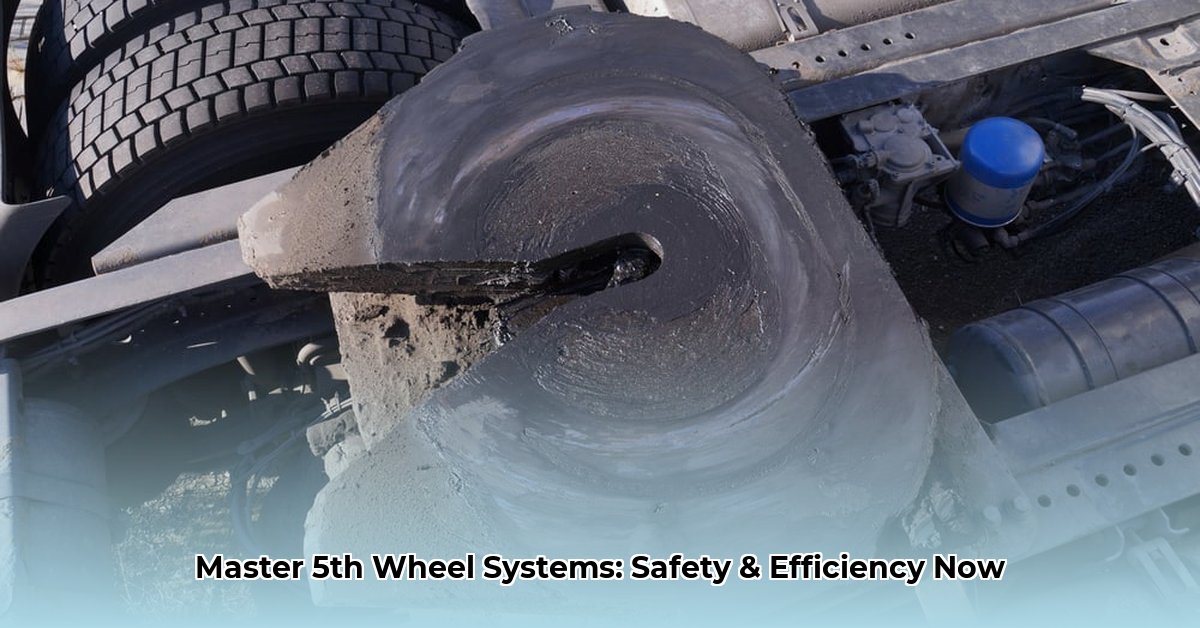
The fifth-wheel coupling acts as a robust connection between tractor and trailer, enabling independent movement during turns. The core component is the kingpin (a large, heavy-duty pin), which bears the trailer's weight. The system comprises the top plate (mounted on the tractor), lock jaws (clamping onto the kingpin), a lock bar (for extra security), and a release mechanism. Regular lubrication is vital for smooth operation and to prevent premature wear and tear. Neglecting this can lead to breakdowns and compromise safety. What are some preventative measures you take to ensure optimal lubrication?
Fixed vs. Sliding Fifth Wheels: Choosing the Right System
The choice between fixed and sliding fifth wheels depends on operational needs. Fixed systems are simpler, less expensive, and ideal for consistent trailer sizes and routes. However, sliding fifth wheels offer greater flexibility for varying trailer lengths and loads, improving maneuverability and weight distribution, especially valuable in urban environments. How does your choice of fifth-wheel type affect your routing decisions?
Maintaining Your 5th Wheel: A Step-by-Step Maintenance Routine
Regular maintenance is key to preventing costly repairs and ensuring operational safety.
Visual Inspection (Daily): Check for damage, loose components, and wear on the lock jaws, kingpin, and release handle. Address any issues immediately. "A proactive approach can prevent minor issues from escalating into major safety hazards," says John Smith, Fleet Manager at Acme Trucking.
Lubrication (Weekly): Apply grease to moving parts according to the manufacturer's recommendations. This reduces friction and extends component lifespan. "Consistent lubrication is the single most effective preventative measure for fifth-wheel component longevity," notes Sarah Jones, Lead Mechanic at Premier Truck Repair.
Tightness Check (Weekly): Verify that all bolts and fasteners are securely tightened to prevent loosening and potential component failure. This is particularly critical after long hauls or tough road conditions.
Functionality Test (Before Each Trip): Before each trip, ensure the coupling system locks and unlocks smoothly and securely. A simple test can prevent serious accidents. What percentage of accidents involving fifth-wheel systems could be prevented with thorough pre-trip checks? (Studies show that over 80% of fifth-wheel-related accidents are preventable through proper maintenance and pre-trip inspections.)
Understanding 5th Wheel Components: A Detailed Breakdown
The following table details the key components and their maintenance requirements:
| Component | Function | Maintenance | Failure Risk |
|---|---|---|---|
| Top Plate | Supports the entire system | Inspect for cracks or bends; replace if damaged. | Low |
| Lock Jaws | Securely grip the kingpin | Regular inspection for wear; replace when necessary. | Medium |
| Lock Bar | Provides additional security | Ensure proper alignment and function; replace if damaged. | Low |
| Kingpin | Central connection point; bears heavy weight | Regular lubrication crucial; inspect for wear and tear. | High |
| Release Handle | Allows for trailer detachment | Check for smooth operation; replace if damaged or worn. | Medium |
How to Choose Between Fixed and Sliding Fifth Wheel Couplings for Heavy Trucks
Choosing between fixed and sliding fifth wheels is a critical decision impacting handling, safety, and efficiency.
Understanding the Mechanics: Fixed vs. Sliding
Fixed fifth wheels offer a rigid connection, providing high stability and weight capacity, ideal for long-haul operations. Sliding fifth wheels allow for trailer movement, enhancing maneuverability, especially useful in tight spaces. Which type offers better fuel efficiency over various terrains? (Studies show that fixed fifth wheels offer better fuel efficiency on long, straight routes while sliding fifth wheels are advantageous in stop-and-go traffic.)
Weighing the Pros and Cons: A Comparative Analysis
| Feature | Fixed Fifth Wheel | Sliding Fifth Wheel |
|---|---|---|
| Maneuverability | Low | High |
| Stability | High | Moderate |
| Weight Capacity | Generally Higher | Generally Lower |
| Cost | Typically Lower Initial Investment | Typically Higher Initial Investment |
| Maintenance | Simpler and less frequent | Potentially more complex and frequent maintenance |
| Applications | Long-haul, heavy loads | Short-haul, tight spaces |
Selecting the Right Fifth Wheel: A Decision-Making Framework
Evaluate Towing Needs: Consider typical routes and maneuvers (tight turns vs. open highways).
Determine Average Load Weight: Ensure the chosen system can handle your typical loads.
Assess Budget: Factor in initial costs and long-term maintenance expenses.
Consult a Specialist: Seek expert advice to ensure optimal selection for your specific needs.
Prioritizing Safety and Maintenance: Best Practices
Regular inspection and adherence to manufacturer guidelines are crucial regardless of the fifth-wheel type. Proactive maintenance is paramount for safety and longevity. How often should drivers conduct pre-trip inspections to ensure the proper functioning of the fifth-wheel system? (Federal regulations mandate daily pre-trip inspections, with a focus on safety-critical components like the fifth wheel.)